
Blood irradiation is an essential measure to prevent the occurrence of life-threatening transfusion-associated graft-versus-host disease (TA-GvHD). But how can you ensure that irradiated blood is administered to patients? KABEG Klinikum Klagenfurt has summarized the most important information on this topic in a training video for its medical staff.
What is TA-GvHD?
Transfusion-associated graft-versus-host disease is a very serious and almost always fatal complication following transfusion. It occurs when T cells from the donor blood enter the recipient’s body and become active. The disease typically manifests itself 3 to 30 days after transfusion and is characterized by high fever, skin rash, nausea, vomiting, and pancytopenia. Specific patient groups may therefore only receive blood that has been irradiated beforehand.
As a physician, how can you tell if blood has been irradiated?
The procedure is clearly regulated: the irradiated blood product is requested and delivered. Before starting the transfusion, it must be checked whether a radiation indicator is attached to the bag. Only when the color has changed from red to black may the product be used and the transfusion started.
„Only when the indicator has changed color from red to black may the transfusion be performed.”
„
Why is the radiation indicator so important?
The blood irradiation indicator with its color change is the only visual check that provides reliable proof that the blood product was actually in the irradiation device and was irradiated. It is therefore particularly important to check before each transfusion whether the indicator has been placed on the blood bag and whether the color change has taken place correctly.
In the KABEG training videos, you will not only see step by step what exactly needs to be considered before irradiated blood is actually administered to the patient. You will also learn how to perform blood irradiation correctly.
To the videos:
Picture credit: on point medicals GmbH
Authors: Dr. Harald Sekljic, Lisa Springer
Interesting posts
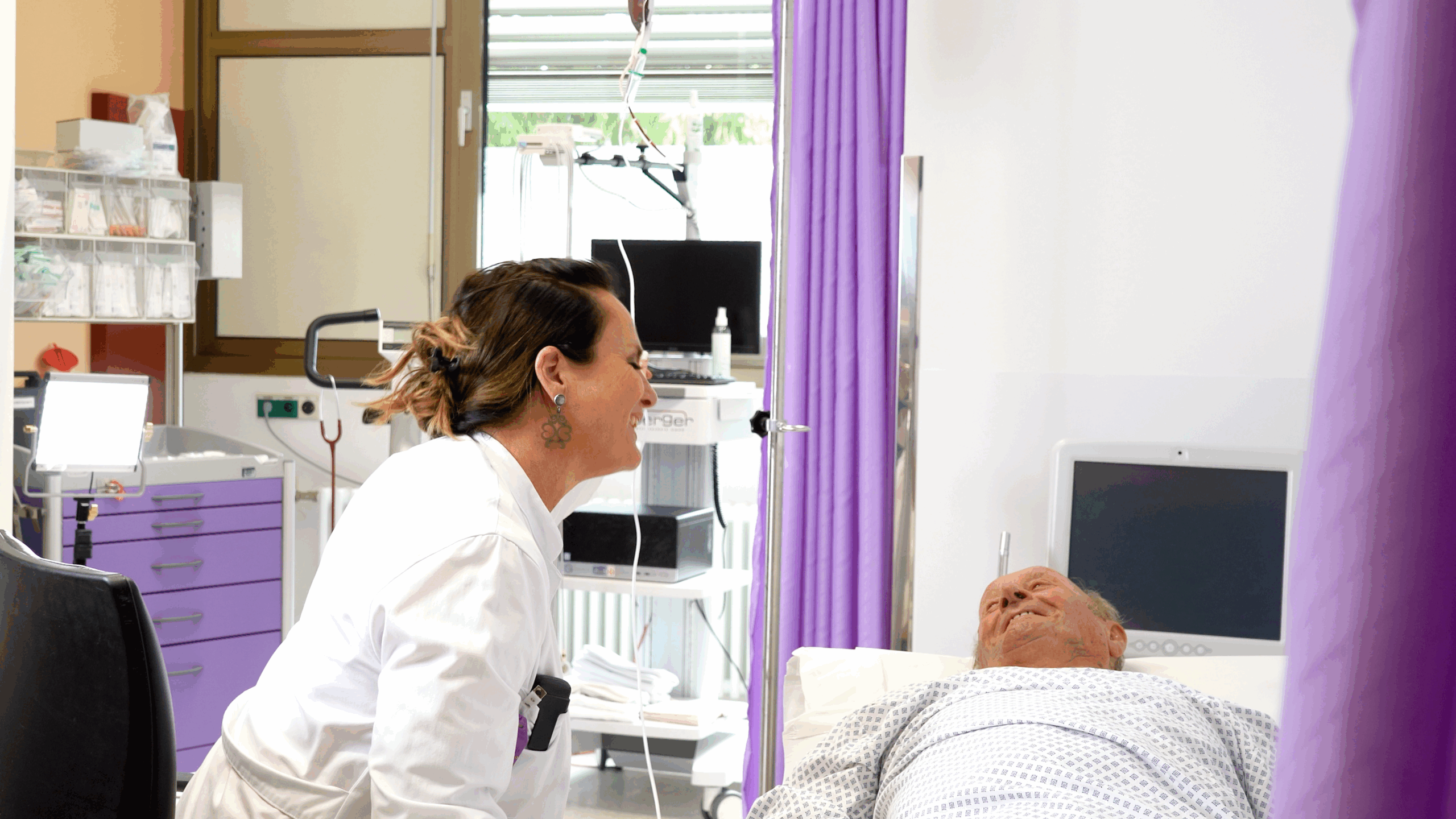
The safe use of irradiated blood products begins with proper monitoring. A training video from KABEG Klinikum Klagenfurt shows how physicians can use the irradiation indicator to reliably check whether blood products have been irradiated correctly before transfusion.
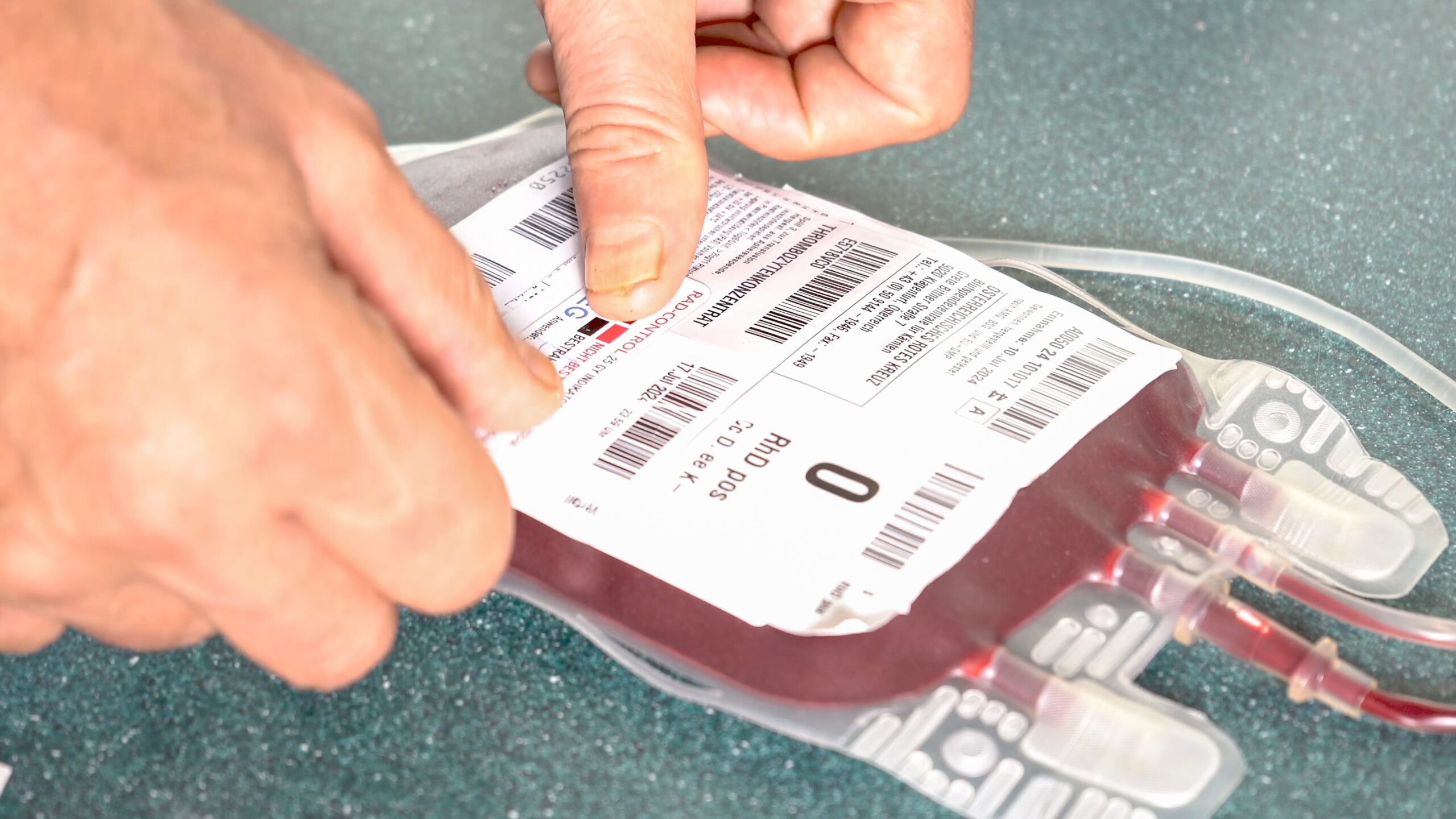
Blood irradiation is an important part of transfusion medicine for preventing TA-GvHD disease. A training video from KABEG Klinikum Klagenfurt provides practical insight into the background, procedures, and quality requirements of blood irradiation.

Both autologous and allogeneic serum eye drops show positive effects in patients with severe ocular surface diseases. But what are the differences between these forms of therapy?

Innovation runs in our blood 🩸 Our entire team will be taking a winter break from December 24 to January 6, 2026, to recharge our batteries. This will enable us to start the new year with lots of fresh ideas. We wish all our customers and business partners a relaxing holiday season and a happy New Year.

We’re back from an inspiring week at ISBT Milan 2025, where we had the opportunity to connect with leading voices in transfusion medicine from around the world.
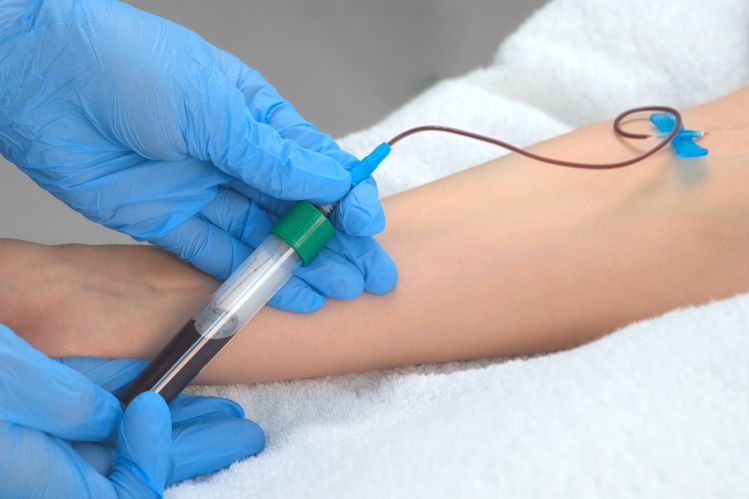
Autologous serum eye drops are obtained from the patient's own blood and represent an individualized and highly effective form of treatment for patients with severe eye conditions.

Serum Eye Drops (SED) are highly effective in the treatment of patients suffering from dry eye disease, among other things. You can find out where and how to obtain serum eye drops in Austria here.

On point medicals has won the 2024 Innovations- and Research Award of the Federal State of Carinthia.
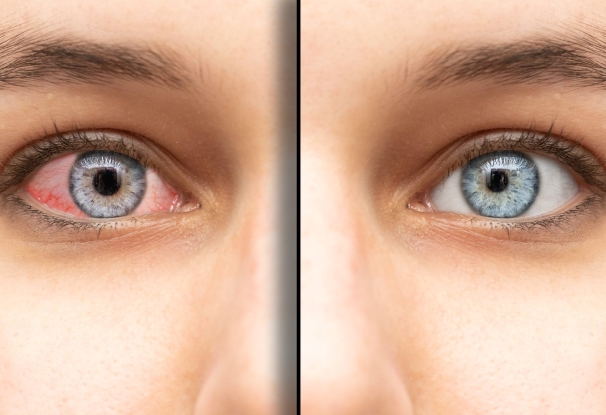
Dry eye disease (DED) is a prevalent and often underestimated ocular condition that affects millions of people worldwide. Find out more about causes, symptoms and treatment options.

Serum Eye Drops (SED) are similar to normal tears and show a high efficacy in therapy with patients suffering from severe ocular surface problems, such as Dry Eye Disease. Learn more about this widely unknown blood-derived therapy.

