
Dry eyes can significantly impair quality of life—ranging from persistent burning to visual disturbances in daily life. However, in cases of moderate to severe dry eye, conventional artificial tears often reach their limits. Until now, only limited treatment options have been available for these patients.
An increasingly used alternative is serum eye drops (SED). These are made from human blood serum and contain natural components of the tear film.
But how effective is this therapy—and how well is its effect scientifically documented?
An assessment by the Austrian Institute for Health Technology Assessment describes evidence of benefits of serum eye drops compared to artificial tears.1
Efficacy of serum eye drops
Several clinical studies have investigated the efficacy of serum eye drops for dry eye disease and other ocular surface disorders.
A randomized controlled trial from 2024 analyzed the effect of 100% autologous serum in moderate to severe dry eye. In this study evaluating short-term outcomes, results were collected over a four-week period. The most pronounced improvement in symptoms occurred within the first two weeks.2
- Reduction in the Ocular Surface Disease Index (OSDI)
- Improvement in corneal staining
- Good tolerability without infectious complications
The OSDI is an established clinical score for assessing symptom severity. A reduction in this score indicates a lower symptom burden and fewer daily life-impacting complaints.
Other clinical studies also report positive effects, including:
- Reduction of dryness and foreign body sensations
- Improvement in tear film stability
- Accelerated corneal healing
A recent review by Siller et al. (2026) summarizes the existing evidence and describes epitheliotrophic factors in serum as a possible contributor to the observed therapeutic effect.3
“Clinical studies report positive effects.”
„
Confirmation through systematic reviews
Systematic reviews report predominantly positive but heterogeneous results; the interpretability is limited by small sample sizes, varying manufacturing protocols, and a lack of long-term data.
An analysis of the Cochrane Database of Systematic Reviews shows that serum eye drops can lead to an improvement in symptoms and corneal findings compared to artificial tears. For longer periods and objective clinical measurements, the evidence remains unclear.4
At the same time, it becomes clear that the studies differ in some respects regarding preparation, dosage, and application. The evidence is overall positive, but methodologically not yet fully standardized.
Why can serum eye drops help support the surface of the eye?
The key difference from conventional eye drops lies in their biological composition.
Serum eye drops contain numerous components that are also found in the natural tear film, including²:
- Growth factors
- Vitamin A
- Fibronectin
- Albumin
- Immunoglobulins
- Anti-inflammatory proteins
These bioactive substances support key healing processes of the ocular surface. Among other things, they promote:
- Regeneration of the corneal epithelium
- Cell migration and cell proliferation
- Stabilization of the tear film
- Reduction of inflammatory processes
As a result, serum eye drops can better replicate the physiological environment of the ocular surface than synthetic tear substitutes.
For which patients is the effect particularly relevant?
Serum eye drops are used in particular when conventional therapies are no longer sufficiently effective.
Typical indications are:
- Keratoconjunctivitis sicca (Dry Eye Disease, DED)
- Severe chronic corneal and conjunctival diseases
- Graft-versus-host disease following stem cell transplantation
- Sjögren’s syndrome
Especially in these complex clinical conditions, the biological composition of the serum can help compensate for deficiencies in the tear film and support the healing of the ocular surface.
As the use of serum eye drops increases, so does the importance of standardized and safe manufacturing processes in blood banks and transfusion medicine facilities.
Conclusion
The available literature suggests that serum eye drops can improve symptoms and certain clinical parameters in selected, mostly severe or treatment-resistant diseases of the ocular surface.
However, the evidence is heterogeneous. Differences in manufacturing, concentration, dosage, and study design, as well as a lack of long-term data, limit the validity of the findings.
Serum eye drops are therefore described in reviews and guidelines as a specialized treatment option for selected patient groups rather than as a universally superior standard therapy.5,6
Sources:
1 Ettinger S, Mayer-Ferbas J, Jeindl R. Serumaugentropfen bei Patient:innen mit schweren Erkrankungen der Augenoberfläche. AIHTA HTA-Informationsdienst Nr.: 017; 2025. Wien: HTA Austria – Austrian Institute for Health Technology Assessment GmbH.
2 Jongkhajornpong P, Lekhanont K, Rattanasiri S, et al. Efficacy of 100% autologous platelet-rich plasma and 100% autologous serum in dry eye disease: a randomised controlled trial. BMJ Open Ophthalmology 2024;9:e001857. doi:10.1136/bmjophth-2024-001857
3 Siller A, Schennach H, Amato M. Serum eye drops: implementation, upscaling, and patient-centered care – insights from a blood bank in Western Austria. Transfus Med Hemother. 2026. doi:10.1159/000550756
4 Pan Q, Angelina A, Marrone M, Stark WJ, Akpek EK. Autologous serum eye drops for dry eye. Cochrane Database of Systematic Reviews 2017, Issue 2. Art. No.: CD009327. DOI: 10.1002/14651858.CD009327.pub3.
5 Jones L, Downie LE, Korb D, Benitez-del-Castillo JM, Dana R, Deng SX, et al. TFOS DEWS II Management and Therapy Report. Ocular Surface. 2017;15(3):575–628. doi:10.1016/j.jtos.2017.05.006
6 NHS England. Clinical Commissioning Policy: Autologous Serum Eye Drops for Severe Dry Eye Disease. London: NHS England; 2020.
Foto credit: Shutterstock
Authors: Dr. Harald Sekljic, Dr. Clemens Troschl, Lisa Springer
Interesting posts
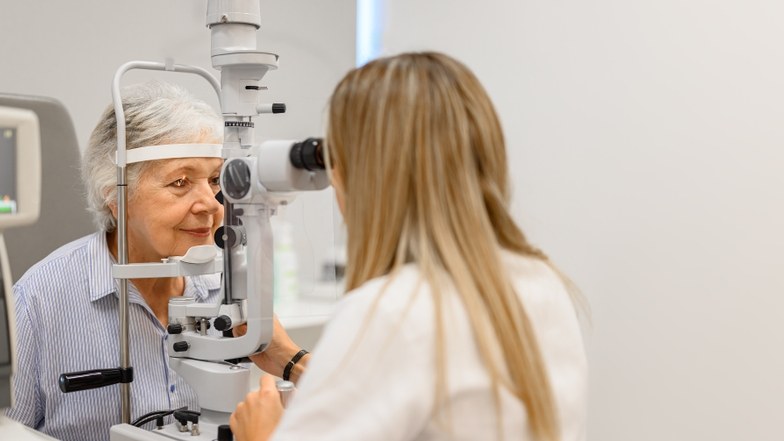
When conventional artificial tears reach their limits in dry eye, serum eye drops can be an option. But how effective are they really, and how well is their effect scientifically documented? This blog provides an overview of the current evidence.

We asked the AI: Listen to our virtual podcast, which discusses our company’s most important products and innovations and offers a deep insight into the world of modern transfusion medicine.
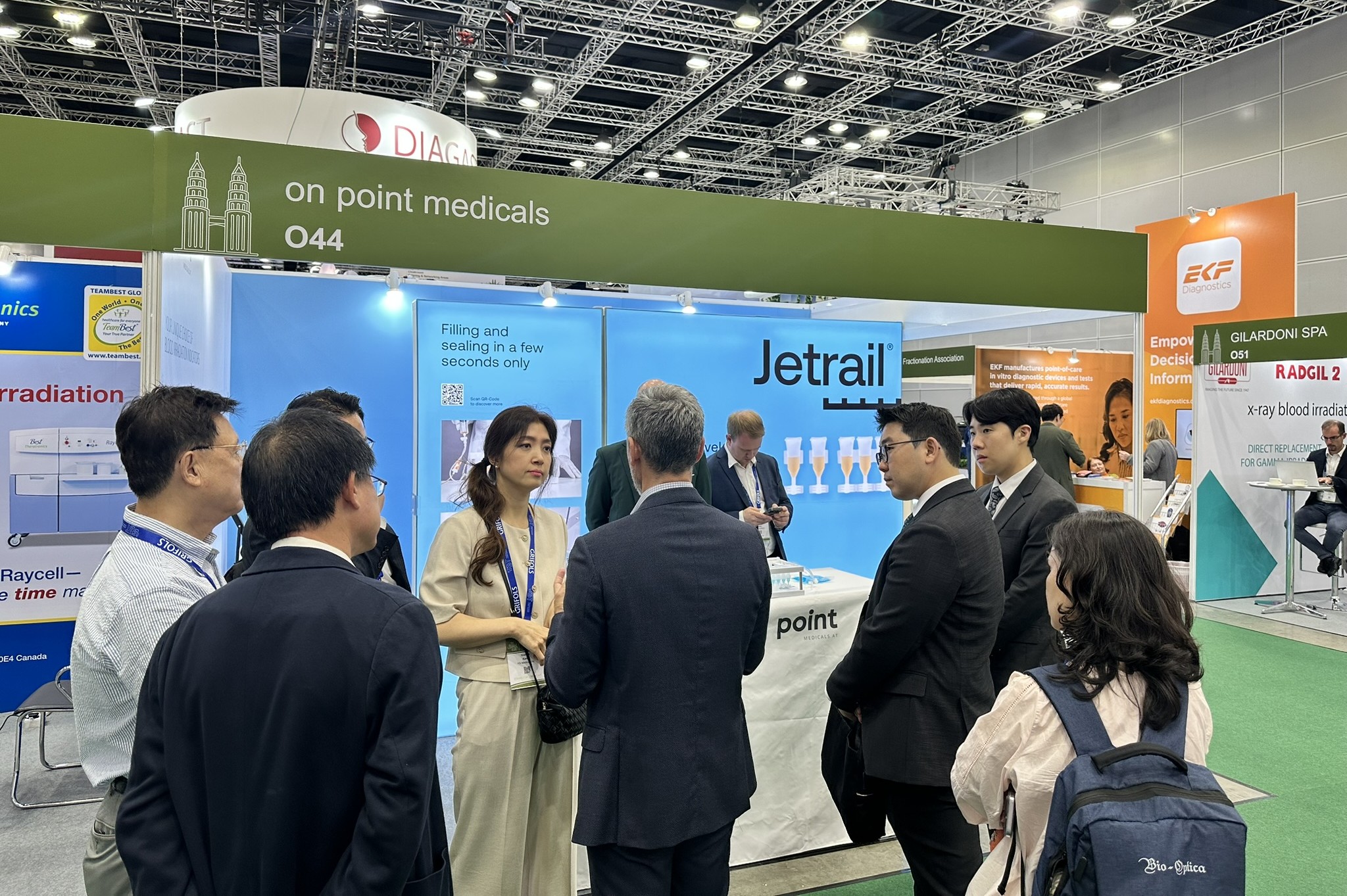
In June 2026, we exhibited at ISBT in Kuala Lumpur—an international gathering for professionals, companies, and partners in the field of transfusion medicine and related areas—click here for the trade show report.
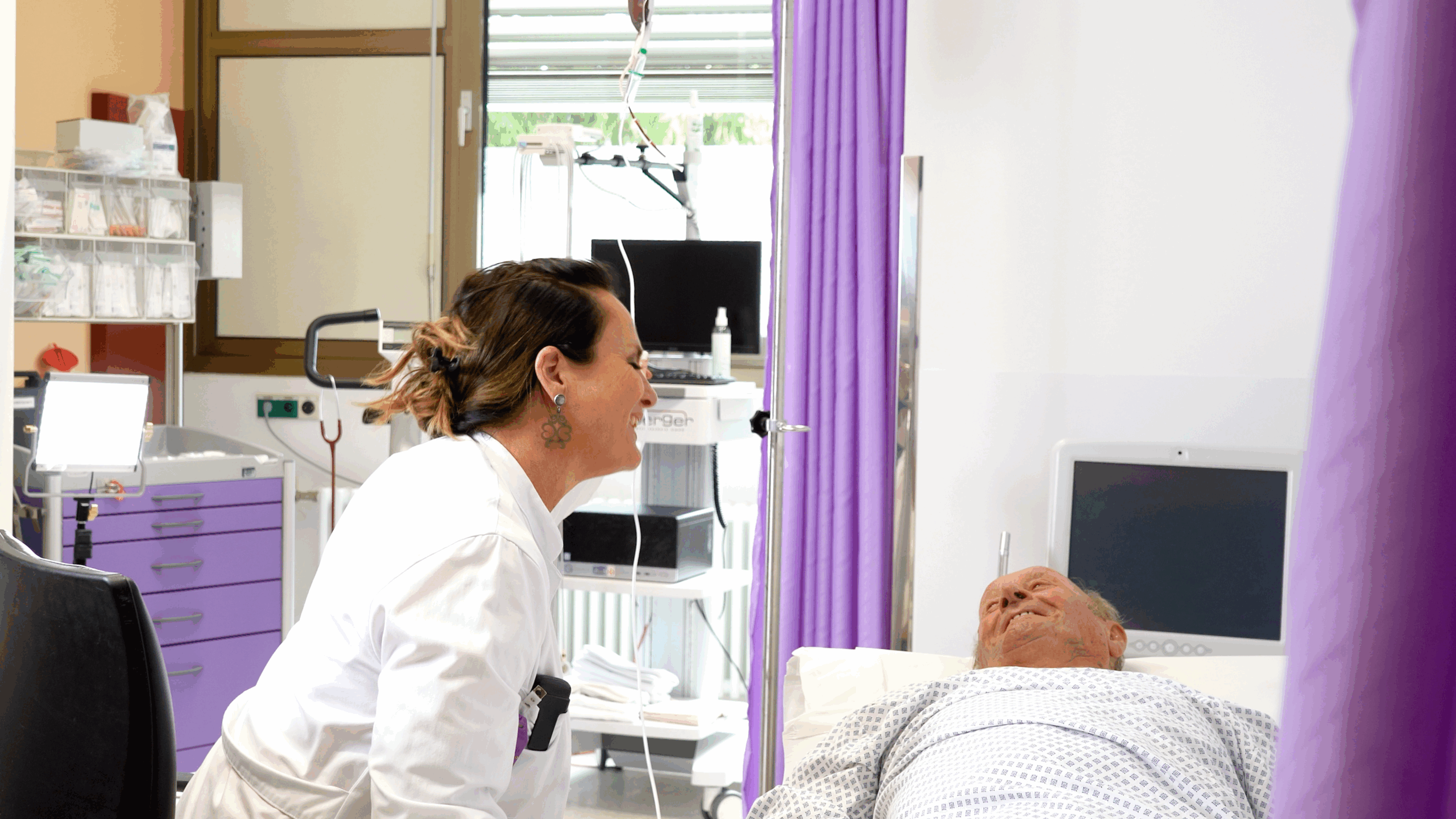
The safe use of irradiated blood products begins with proper monitoring. A training video from KABEG Klinikum Klagenfurt shows how physicians can use the irradiation indicator to reliably check whether blood products have been irradiated correctly before transfusion.
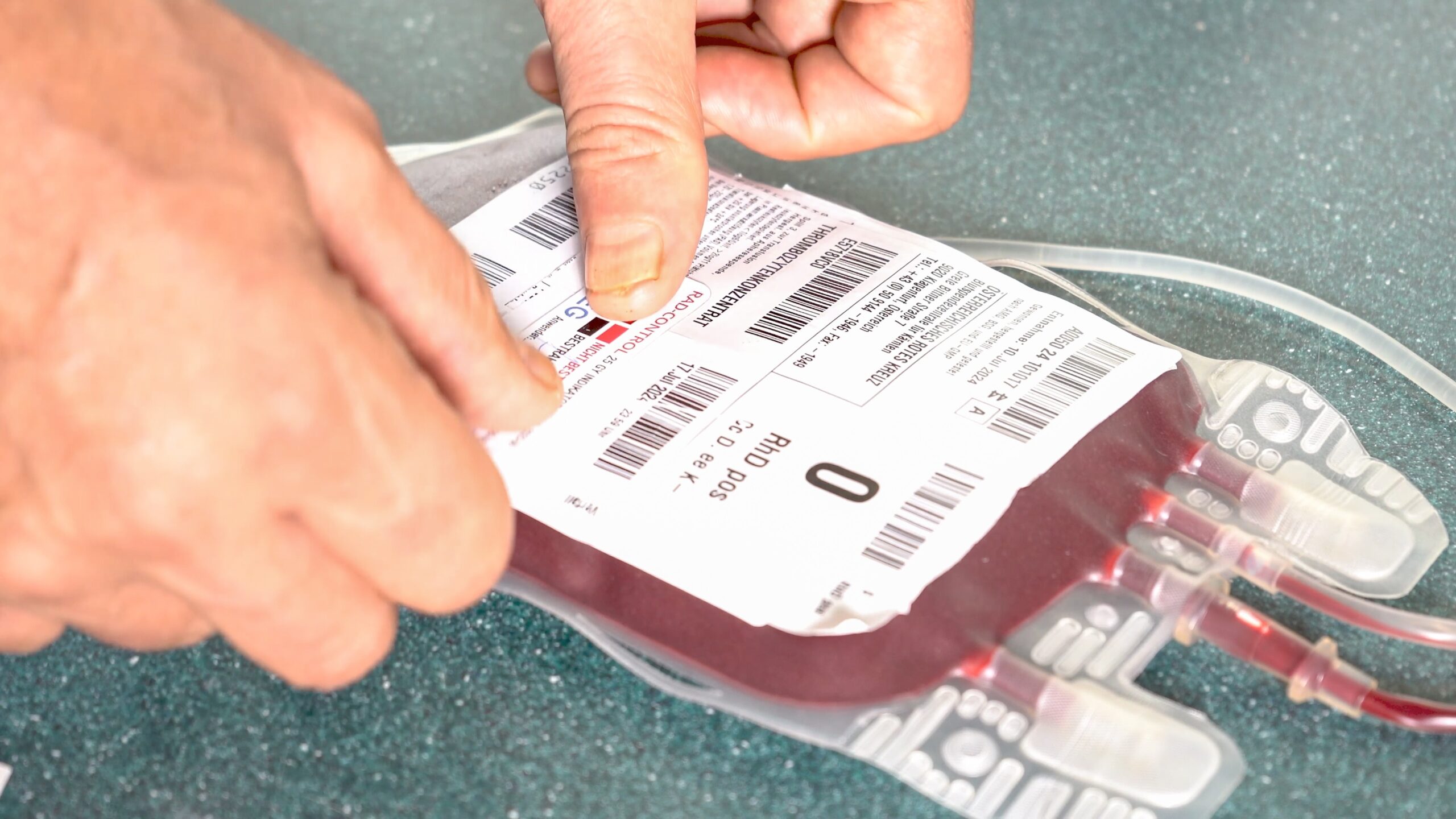
Blood irradiation is an important part of transfusion medicine for preventing TA-GvHD disease. A training video from KABEG Klinikum Klagenfurt provides practical insight into the background, procedures, and quality requirements of blood irradiation.

Both autologous and allogeneic serum eye drops show positive effects in patients with severe ocular surface diseases. But what are the differences between these forms of therapy?
We’re back from an inspiring week at ISBT Milan 2025, where we had the opportunity to connect with leading voices in transfusion medicine from around the world.
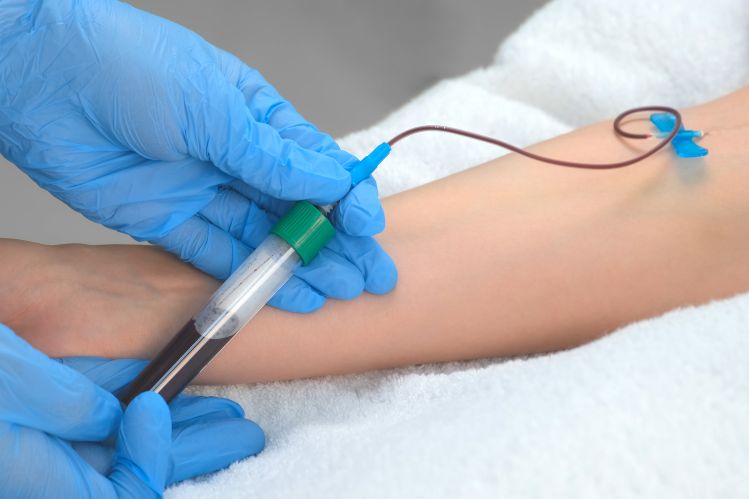
Autologous serum eye drops are obtained from the patient's own blood and represent an individualized and highly effective form of treatment for patients with severe eye conditions.
Serum Eye Drops (SED) are highly effective in the treatment of patients suffering from dry eye disease, among other things. You can find out where and how to obtain serum eye drops in Austria here.
On point medicals has won the 2024 Innovations- and Research Award of the Federal State of Carinthia.

