
Sometimes a new perspective opens up entirely unexpected insights—in our case, through two virtual podcast guests who have managed to summarize our company’s key facts and figures in a concise and structured manner.
We have asked AI to create a podcast. The result is an informative and easy-to-follow overview of our activities, innovations, and objectives, which we would like to share with you.
To experience the conversation in its original format, listen to the podcast here:
https://onpointmedicals.at/wp-content/uploads/On-point-medicals-Bloodbank-Solutions.wav
In the transcript below, you can read how our virtual participants explore the most important aspects of On point medicals:
The podcast transcript:
A: Ever wonder what goes on behind the scenes to make sure those, you know, those life-saving blood transfusions are as safe and effective as possible? Today, we’re taking a deep dive into On point medicals.
B: Oh, cool.
A: An Austrian company that’s doing some pretty amazing things in the world of blood banks and transfusion medicine.
B: Yeah, what’s really interesting about On point medicals is their dedication to, not just like supplying equipment, but to actually solving some of the trickiest challenges in the field.
A: Okay, so I was checking out their website, and it seems like their mission is all about making things easier for medical staff.
B: Yeah.
A: And they’ve got these three products that really caught my eye. Jetrail®, Rad-Control®, and LifeGuard. Each one tackles a totally different need, but they all have that same focus on safety and innovation.
B: You’re right. And each product shows how deeply they understand the complexities of handling blood and the potential risks involved.
A: So, let’s start with something that totally blew my mind, serum eyedrops. On point medicals has this Jetrail@ system that actually makes eyedrops from blood products.
“Onpoint’s mission is all about making things easier for medical staff.”
„
B: Wow.
B: Yeah, it might seem strange at first, but using a patient’s own blood to create serum eyedrops is actually a game changer for people with severe dry eyes. They’re packed with all the natural stuff that’s already in our tears, like electrolytes and growth factors. So they can help heal the eye in a way that artificial tears often can’t.
A: So it’s like a personalized treatment then?
B: Yeah, exactly.
A: I’m curious, is it hard to get these serum eyedrops?
B: It depends on where you are in your healthcare system.
A: Okay.
B: An ophthalmologist who specializes in dry eyes would be the best person to talk to.
A: Right.
B: They can figure out if serum eyedrops are right for you and help you get them.
A: That makes sense. On point medicals takes a similar approach with blood irradiation.
B: Okay.
A: They have these Rad-Control® indicators that verify if blood has been properly irradiated.
B: Interesting.
A: I have to admit, I don’t really understand why this is necessary.
B: Well, think of it this way. You want to make absolutely sure that the donated blood won’t cause any harm to the person receiving it, right?
A: Right.
B: Especially for folks with weakened immune systems like those going through chemo.
A: Oh, so it’s kind of like an extra layer of protection.
B: Exactly. Irradiating the blood deactivates certain white blood cells that could potentially attack the recipient’s body. It’s a serious condition called transfusion associated graft versus host disease or TAGVHD.
A: That sounds pretty scary.
B: Yeah.
A: So, these Rad-Control® indicators, do they actually measure the radiation or something?
B: They’re more like a visual confirmation that the irradiation process is complete.
A: Okay.
B: They’ve got this special dye inside that changes color when exposed to the right dose of radiation.
A: So, it’s a simple visual check to make sure the treatment was done right.
B: Right.
A: But wouldn’t it be easier to just assume it was done correctly? I mean, these are medical professionals we’re talking about.
B: You’d think so, but On point medicals has a great motto, do not assume, verify.
A: Oh, like that.
B: It highlights their focus on going the extra mile. And it really makes you think about all the behind the scenes checks and balances that are in places that we never even see.
A: That’s a really good point. Okay. Moving on to our final product, Lifeguard.
B: Okay.
A: Imagine donating blood, doing this incredible thing to help someone, and then it can’t even be used because it wasn’t stored properly. That’s a pretty heartbreaking thought.
B: Absolutely. And that’s where Lifeguard comes in. These are temperature indicators that keep a close eye on the conditions of blood products during transport and storage. You see, blood is incredibly sensitive to temperature changes. And if it gets too warm or too cold, it can become unusable.
A: So, these Lifeguard indicators are kind of like a little travel journal for the blood, making sure it’s been treated well along the way.
B: That’s a great way to put it.
A: Okay.
B: They provide a visual record of the temperature history. So, if something goes wrong, medical professionals can see it immediately.
A: This has to be a huge cost saver for blood banks, right? I mean, if they can prevent even a small amount of blood from being wasted, that’s a win.
B: Absolutely. Lifeguard contributes to both the efficiency and sustainability of blood bank operations. And of course, most importantly, it ensures that the blood is safe and effective when it’s needed.
A: So we’ve got these three incredibly different products, each tackling a unique challenge in blood banking and transfusion medicine.
B: Yeah.
A: But what really jumps out at me is On point medicals´´´ dedication to innovation. They even won an innovation award recently, right?
B: They did.
A: And their mission statement is all about finding innovative solutions for bloodbanks.
B: Right.
A: They’re not just selling products. They’re genuinely trying to make a difference.
B: It’s impressive how they not only focus on the technology itself, but also consider how it fits into the everyday routines of medical professionals and how it ultimately benefits patients.
A: Okay. So, we’ve covered the basics of what On point medicals does. Now, I’m really curious to hear more about the science behind these products.
B: Yeah.
A: What’s so special about serum eye drops made from blood?
B: Okay.
A: How does irradiating blood actually make it safer?
B: Right.
A: And how do those temperature indicators work?
B: Let’s dive into those details. Let’s start with those fascinating serum eye drops made using the Jetrail® system.
A: Okay.
B: It’s all about taking a small sample of the patient’s blood and isolating the serum.
A: Right.
B: Which is the liquid part packed with all those healing components we talked about.
A: Ah, so that’s what makes them personalized. They’re literally made from your own blood. Pretty cool. But how do they actually get the serum out? Is it a complicated process?
B: It would be pretty labor intensive if they did it manually. But thankfully, the Jetrail® system automates the whole thing.
A: Okay.
B: It can separate the serum and then fill and seal multiple tiny vials in seconds, all while maintaining sterility.
A: Wow. So high tech for something as small as eye drops. Okay. Let’s switch gears to blood irradiation and those Rad-Control® indicators. I’m still a little fuzzy on how exactly irradiation makes the blood safer.
B: It’s all about targeting specific cells. Imagine shining a very precise beam of radiation, typically gamma rays, onto the blood. This damages the DNA of certain white blood cells, the ones that could potentially cause problems for the recipient.
A: So, it’s like a seek and destroy mission for those potentially harmful cells. That’s pretty amazing.
B: It is. And what’s really cool is that this process doesn’t affect the red blood cells or other important components of the blood. So it’s still perfectly safe and effective for transfusion.
A: That’s reassuring to know, but how do those Rad-Control® indicators fit into all of this? Do they actually measure the radiation level to make sure it was done right?
B: That’s a great question. They don’t measure the levels, but they act as a visual confirmation.
A: Okay.
B: Think of it like baking a cake. You wouldn’t just assume it’s done without checking, right?
A: Right.
B: You use a toothpick to make sure. The Rad-Control® indicators are like those toothpicks.
A: Okay.
B: They contain a special dye that changes color when exposed to the correct dose of radiation.
A: So, if the indicators change color, the medical staff knows that the blood was irradiated.
B: Exactly.
A: It seems like a simple solution. But I guess in a busy hospital environment, having that extra visual check could prevent a lot of mistakes.
B: Exactly. And that brings us back to On point medicals emphasis on verification rather than assumption.
A: Okay. Last but not least, let’s talk about those Lifeguard temperature indicators. You mentioned that blood is really sensitive to temperature changes. What happens if a bag of blood gets too warm or too cold?
B: Well, blood is a living tissue.
A: Right.
B: And it needs to be treated with care. Just like you and I have a specific temperature range, we need to stay healthy. So does blood. Different components of blood have different ideal temperatures for storage and transport. If the temperature fluctuates too much, it can actually damage the blood, making it unusable for transfusions.
A: So that’s why those Lifeguard indicators are so important. They’re like little guardians, making sure the blood stays at the right temperature throughout its journey.
B: Precisely. They continuously monitor the temperature and provide a visual record of any changes. So, if a bag of blood gets left out on a loading dock on a hot day, or if there’s a problem with the refrigerator in the blood bank, the lifeguard indicator will reveal that.
A: That seems way more reliable than just assuming everything went smoothly. It’s amazing to think that something so small can have such a big impact on preventing waste and ensuring that blood is safe to use.
B: Absolutely. It’s all about those little details that can make a world of difference. And what’s really fascinating is that On point medicals has identified these critical points and developed targeted solutions rather than just trying to overhaul the entire system.
A: It’s like they’ve found the pressure points and applied just the right amount of innovation. Okay, so we’ve delved into the science behind these three products. What stands out to you as the most impactful aspect of On point medicals work?
B: What I find most impressive is their holistic approach. They’re not just focused on developing cutting-edge technology. They’re considering the entire chain of events from the blood bank to the patient. And they’re constantly looking for ways to improve efficiency and ultimately patient outcomes.
A: It’s like they’re thinking about the bigger picture, not just the individual pieces of the puzzle. Now let’s shift our focus to that bigger picture. What does all of this mean for us, the average person who might never even think about blood transfusions until we need one?
B: Yeah, it’s easy to take something like a blood transfusion for granted. But after learning about On point medicals, I’m realizing there’s a whole lot more going on behind the scenes than I ever imagined.
A: You’re absolutely right. I think it’s a reminder that even seemingly routine medical procedures rely on a complex network of people and technology and safety measures. Companies like On point medicals are constantly working to make these procedures even safer and more efficient, even if we don’t always see it.
B: Exactly. And their work highlights the importance of ongoing progress, not just in the, you know, the big flashy areas of medicine, but also in these critical foundational areas like blood transfusion.
A: It makes you realize that every single step in the process matters from the moment the blood is donated to the moment it reaches the patient who needs it.
B: Absolutely. And it’s also a reminder that technology isn’t just about, you know, fancy gadgets and high-tech machines. Sometimes it’s about those small, ingenious solutions that can have a huge impact on people’s lives.
A: Like those little color-changing indicators that can potentially save a life.
B: Exactly. It’s a testament to the power of human ingenuity and the dedication of people who are working tirelessly to improve healthcare for everyone.
A: So next time you see a blood drive, or maybe even find yourself in a situation where you need a blood transfusion, take a moment to appreciate the amazing work that goes into making it all possible. It’s a complex system. And thanks to companies like On point medicals, it’s getting better all the time.
B: Well said. It’s something we should all be grateful for.
A: And for those of you who are curious to learn more about On point medicals and the fascinating world of blood banking and transfusion medicine, check out their website. There’s a whole lot more to explore.
B: It’s a constantly evolving field, and there’s always something new to discover.
A: And that’s what the Deep Dive is all about.
B: Yeah.
A: Until next time, stay curious, and thanks for joining us.
Sources:
Photo and Transcript text: AI generated
Authors: Paula Dapic, Lisa Springer
Interesting posts

We asked the AI: Listen to our virtual podcast, which discusses our company’s most important products and innovations and offers a deep insight into the world of modern transfusion medicine.
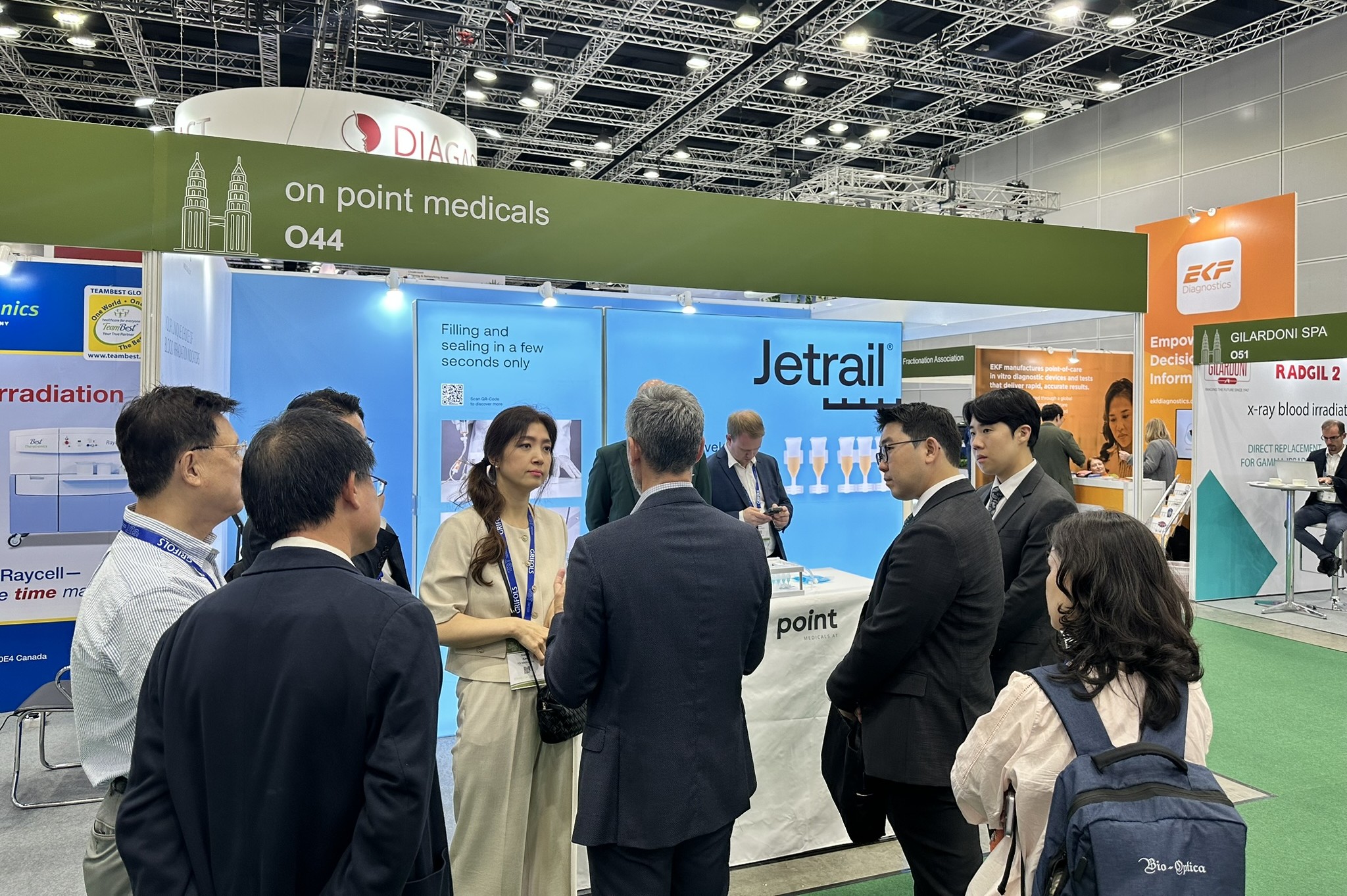
In June 2026, we exhibited at ISBT in Kuala Lumpur—an international gathering for professionals, companies, and partners in the field of transfusion medicine and related areas—click here for the trade show report.
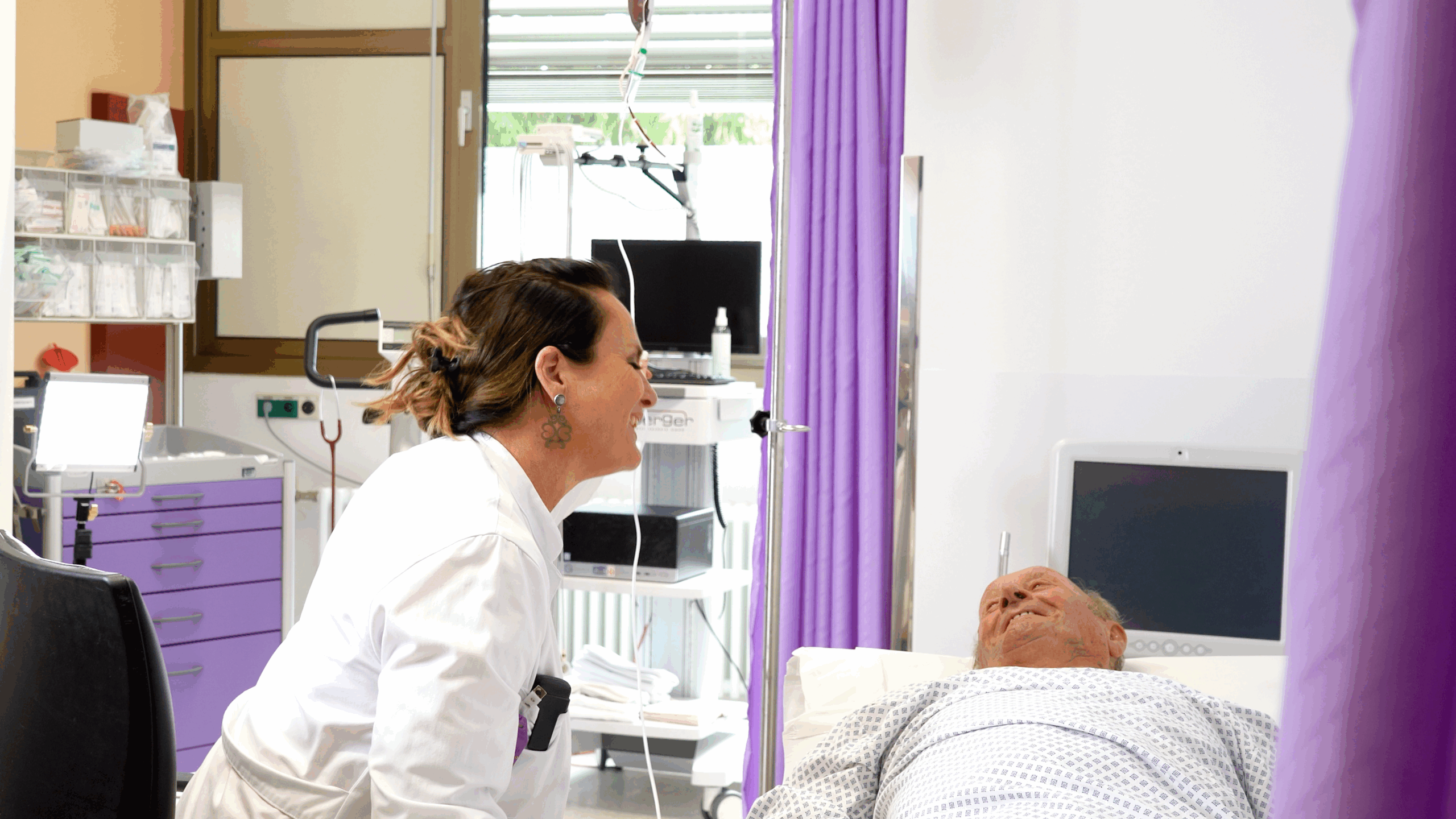
The safe use of irradiated blood products begins with proper monitoring. A training video from KABEG Klinikum Klagenfurt shows how physicians can use the irradiation indicator to reliably check whether blood products have been irradiated correctly before transfusion.
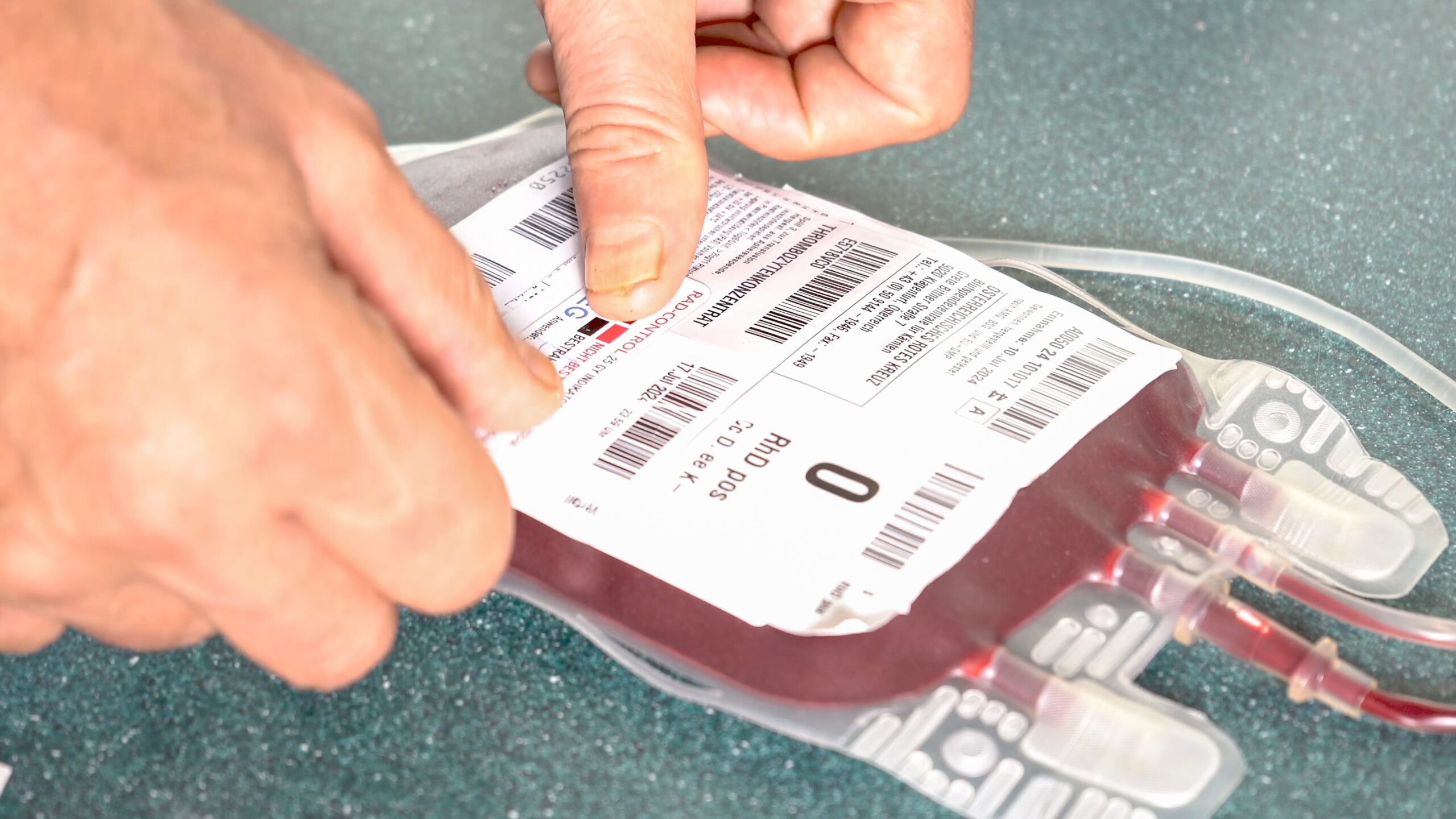
Blood irradiation is an important part of transfusion medicine for preventing TA-GvHD disease. A training video from KABEG Klinikum Klagenfurt provides practical insight into the background, procedures, and quality requirements of blood irradiation.

Both autologous and allogeneic serum eye drops show positive effects in patients with severe ocular surface diseases. But what are the differences between these forms of therapy?

We’re back from an inspiring week at ISBT Milan 2025, where we had the opportunity to connect with leading voices in transfusion medicine from around the world.
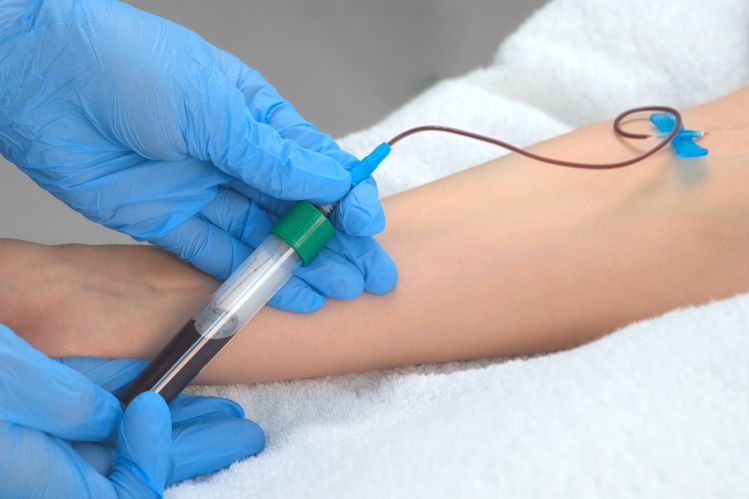
Autologous serum eye drops are obtained from the patient's own blood and represent an individualized and highly effective form of treatment for patients with severe eye conditions.
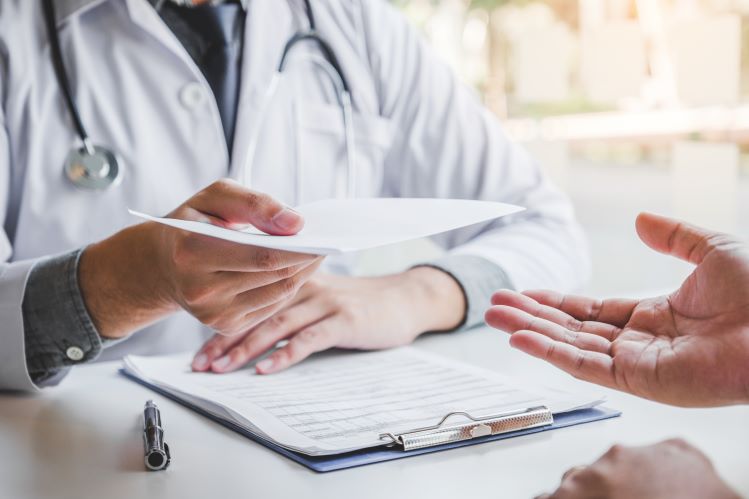
Serum Eye Drops (SED) are highly effective in the treatment of patients suffering from dry eye disease, among other things. You can find out where and how to obtain serum eye drops in Austria here.
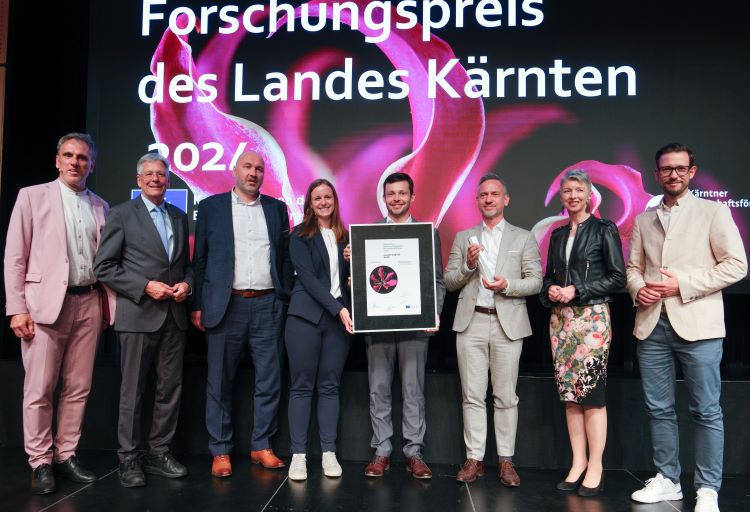
On point medicals has won the 2024 Innovations- and Research Award of the Federal State of Carinthia.
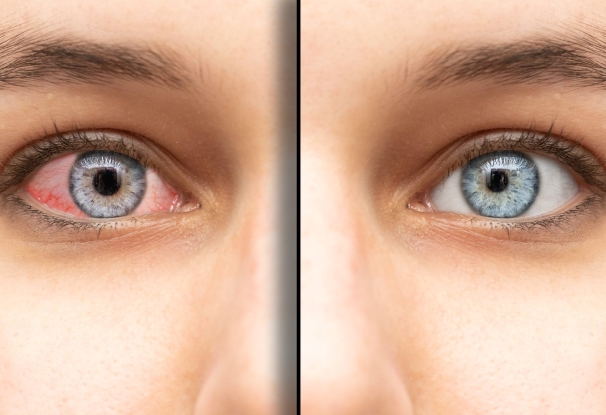
Dry eye disease (DED) is a prevalent and often underestimated ocular condition that affects millions of people worldwide. Find out more about causes, symptoms and treatment options.

